.png)
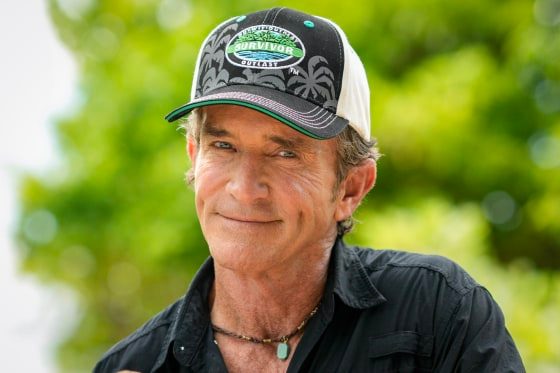
Jeff Probst Store Influencers: Turning Survival into Sales
Imagine walking onto a deserted island, only to find a pop‑up shop where the host of the show is handing out limited‑edition merch. That’s the reality of the Jeff Probst Store, where reality‑TV drama meets modern influencer marketing. Fans of the long‑running survival series are now being courted not just with challenges, but with exclusive apparel, gear, and experiences that turn their love for the game into tangible sales. This crossover has created a new playbook: use the suspense of survival to fuel shopper excitement, and watch revenue soar.
The Concept Behind Jeff Probst Store Influencers
When the Jeff Probst Store launched, the team recognized that traditional advertising wouldn’t capture the gritty, adventurous spirit of the brand. Instead, they turned to influencers who already live the “survivor” lifestyle—travel vloggers, outdoor athletes, and even former contestants. These creators become ambassadors, showcasing the store’s products in authentic, rugged settings that echo the show’s iconic challenges.
By letting influencers run their own mini‑episodes—think “24‑hour island survival with the new Jeff Probst Store hoodie”—the brand taps into storytelling rather than hard‑sell tactics. The result is a seamless blend of entertainment and commerce that feels less like an ad and more like an extension of the show itself.
How Survival Themes Drive Engagement
The key to the Jeff Probst Store’s success lies in borrowing the emotional hooks that make survival shows addictive. Every product launch is framed as a “tribe test” or “immunity challenge,” prompting fans to prove their loyalty. Limited‑edition items are often released with countdowns that mimic the ticking clock of a tribe vote, creating urgency and FOMO.
Social media platforms amplify this effect. Influencers post teaser clips, behind‑the‑scenes footage, and real‑time reaction videos as they unbox gear in the wilderness. Viewers comment, share, and even vote on which product should stay in stock, mirroring the interactive voting mechanics of the TV series. This participatory vibe turns passive followers into active buyers.
Influencer Strategies That Convert
Effective influencer collaborations for the Jeff Probst Store follow a three‑step formula: authenticity, challenge, and reward. First, creators pick products that genuinely fit their niche—whether it’s a waterproof backpack for a kayaker or a breathable tee for a trail runner. Second, they design a mini‑challenge, such as a day‑long hike while wearing the gear, documenting obstacles and wins. Finally, they offer followers an exclusive discount code tied to the challenge outcome, like “SURVIVE10” for a 10% off coupon.
This approach leverages social proof: viewers see real‑life performance, trust the influencer’s endorsement, and feel compelled to earn the same reward. The result is higher click‑through rates, lower return rates, and a community that feels a personal stake in the brand’s narrative.
Measuring Success & Future Outlook
Analytics for the Jeff Probst Store go beyond sales figures. Brands track engagement metrics such as watch time on challenge videos, comment sentiment, and the number of user‑generated survival stories shared online. These insights reveal which themes resonate most—be it “fire‑making” or “navigation”—allowing the store to fine‑tune future product drops.
Looking ahead, the Jeff Probst Store plans to integrate augmented reality (AR) experiences, letting fans virtually explore a deserted island and “try on” gear before purchasing. Influencers will host live AR scavenger hunts, blending the physical and digital realms. As the line between entertainment and e‑commerce continues to blur, the Jeff Probst Store’s influencer model stands as a blueprint for brands eager to turn survival excitement into sustainable sales.